Thyroid Cancer
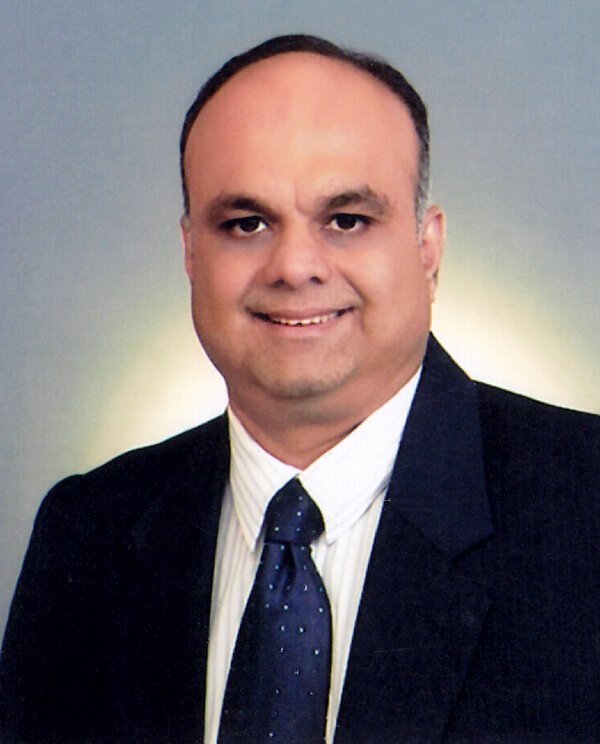
If you have been diagnosed with thyroid cancer, or notice a lump or swelling in the neck, you can consult Dr. Satish Rao, a surgical oncologist in Mumbai.

Overview
Thyroid cancer originates from abnormal cell growth within the thyroid gland, a butterfly-shaped organ located at the base of the neck. This gland produces hormones that regulate heart rate, blood pressure, body temperature and weight. Dr. Satish Rao is a surgical oncologist with experience in head and neck and breast oncology surgeries.
What is Thyroid Cancer?
Thyroid cancer occurs when cells in the thyroid undergo genetic mutations, allowing them to grow and multiply rapidly. These cells can form a tumour that may invade nearby tissue and spread to other parts of the body. There are several types of thyroid cancer. The most common are papillary and follicular. Rarer and more aggressive forms are medullary and anaplastic. Identifying the specific subtype is the first step in planning treatment.


What are the Symptoms of Thyroid Cancer?
In its early stages, thyroid cancer may not present any obvious warning signs. As the condition progresses, however, patients may notice:
- 1. A Palpable Lump: A firm nodule in the neck that can be felt through the skin.
- 2. Voice Changes: Increasing hoarseness or difficulty speaking clearly.
- 3. Difficulty Swallowing: A sensation of pressure or "fullness" in the throat.
- 4. Pain: Persistent discomfort in the neck or throat area.
- 5. Swollen Lymph Nodes: Enlargement in the neck region unrelated to a cold or infection.
Persistent swelling in the neck or changes in the voice should be evaluated by a doctor.
What are the Causes and Risk Factors?
The exact cause of most thyroid cancers is unknown. Several factors can increase a person’s risk:
What are the Causes and Risk Factors?
While the exact cause of most thyroid cancers is unknown, several factors can increase a person's risk:
Radiation Exposure
Previous high-dose radiation treatments to the head and neck.
Genetic Syndromes
Certain inherited conditions, such as familial medullary thyroid carcinoma or multiple endocrine neoplasia.
Family History
Having a first-degree relative who has had the disease.
Frequently Asked Questions
Which symptoms indicate the need to see a specialist?
A lump or swelling at the front of the neck, voice changes, difficulty swallowing, persistent neck or throat pain, or swollen lymph nodes in the neck may need medical evaluation.
How is thyroid cancer diagnosed?
Diagnosis includes physical examination, ultrasound imaging, biopsy and blood tests for thyroid function.
What treatment options are available?
Depending on the type and stage of the cancer, treatment options include surgery, radioactive iodine therapy, radiation, targeted drugs and hormone replacement.
Can thyroid cancer be prevented?
Prevention is not always possible, as the exact cause of most thyroid cancers is unknown.

Risks and Limitations of Thyroid Cancer Treatment
Treatment for thyroid cancer, like any medical or surgical treatment, carries risks. The points below are general educational information and are not specific to any individual. Surgery on the thyroid (thyroidectomy) may involve:
- Bleeding or infection at the surgical site.
- A temporary or permanent change in the voice if the nerves near the thyroid gland are affected.
- Low blood calcium levels if the parathyroid glands near the thyroid are affected.
- A scar on the neck.
- Risks related to anaesthesia.
- A need for lifelong thyroid hormone replacement tablets after removal of the whole thyroid gland.
Radioactive iodine therapy may cause dry mouth, changes in taste or tenderness in the neck. Results of treatment differ from person to person. They depend on the type and stage of the cancer and on the person’s overall health.
Why Choose Dr. Satish Rao for Thyroid Cancer Treatment?
Surgical Excellence: A track record of successful thyroidectomies with a focus on nerve preservation and minimal scarring.
Comprehensive Care: A seamless journey from initial diagnosis through long- term survivorship.
Patient-Centric Approach: Clear communication, ensuring every patient understands their options and feels empowered in their healthcare decisions.
Advanced Technology: Access to the latest diagnostic and therapeutic advancements in oncology
Appointments and Contact Details
To schedule a consultation with Dr. Satish Rao, contact the clinic by phone, email or WhatsApp. For your first consultation, please bring any prior reports, scans and prescriptions, along with a list of your current medications.