Reconstruction Surgery
Reconstruction in head & neck cancers is a specialised area of surgical oncology focused on restoring form and function after tumour removal.
Overview
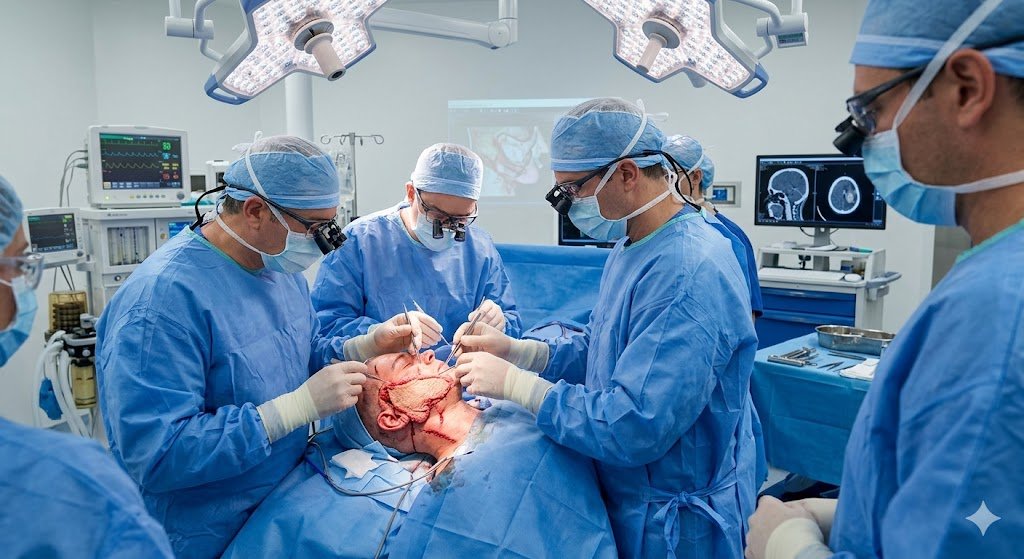
Reconstruction in head and neck cancers is a specialised area of surgical oncology focused on restoring form and function after tumour removal. When cancer surgery removes significant tissue, skin, muscle, bone, or a combination, reconstruction rebuilds what was taken, allowing patients to speak, swallow, chew, and regain their appearance. Techniques range from local tissue rearrangement to complex microsurgical free flap procedures that transplant tissue from another part of the body. Modern reconstruction places equal emphasis on oncological safety and quality of life, with outcomes significantly improved by multidisciplinary surgical planning.
What Is Reconstruction in Head and Neck Cancers?
Head and neck reconstruction refers to the surgical restoration of anatomical structures, the jaw, tongue, cheek, floor of mouth, throat, or skin, after their removal as part of cancer treatment. The head and neck region governs the most fundamental human functions: eating, breathing, speaking, and facial expression. Reconstruction is not cosmetic in the conventional sense. It is functional restoration, giving patients back the ability to live as normally as possible after surgery. It is planned simultaneously with tumour resection, and in most cases performed in the same operation.
What Are the Signs That Reconstruction Is Needed?
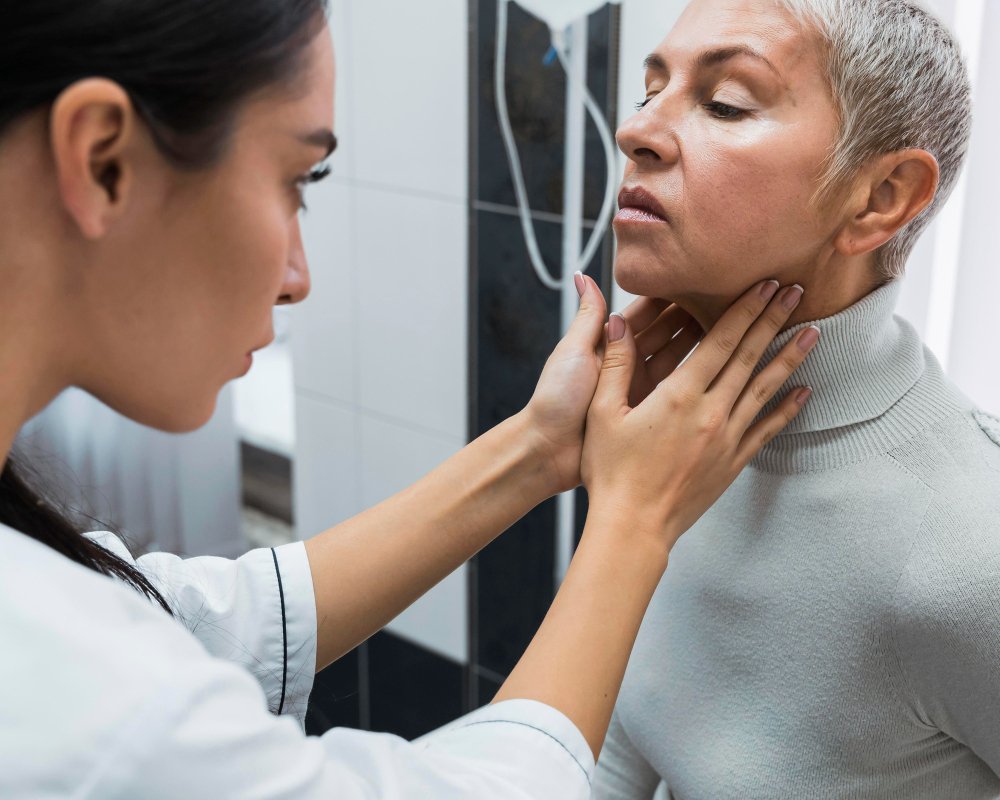
Reconstruction is indicated whenever cancer surgery creates a defect that compromises function or significantly alters appearance. Common clinical indicators include:
- 1. A lump, ulcer, or mass in the jaw, cheek, tongue, or neck requiring surgical removal
- 2. Bone involvement of the mandible (lower jaw) or maxilla (upper jaw) necessitating partial resection
- 3. Large soft tissue defects of the tongue, cheek lining, or floor of mouth after excision
- 4. Skin or external soft tissue loss following removal of infiltrating tumours
- 5. Throat or pharyngeal defects following laryngeal or hypopharyngeal cancer resection
- 6. Loss of facial structure or contour following parotid or salivary gland cancer surgery
Any patient undergoing major head and neck cancer resection should have a reconstruction plan established before surgery begins.
What is Oncoplastic Reconstruction in Breast Cancer ?
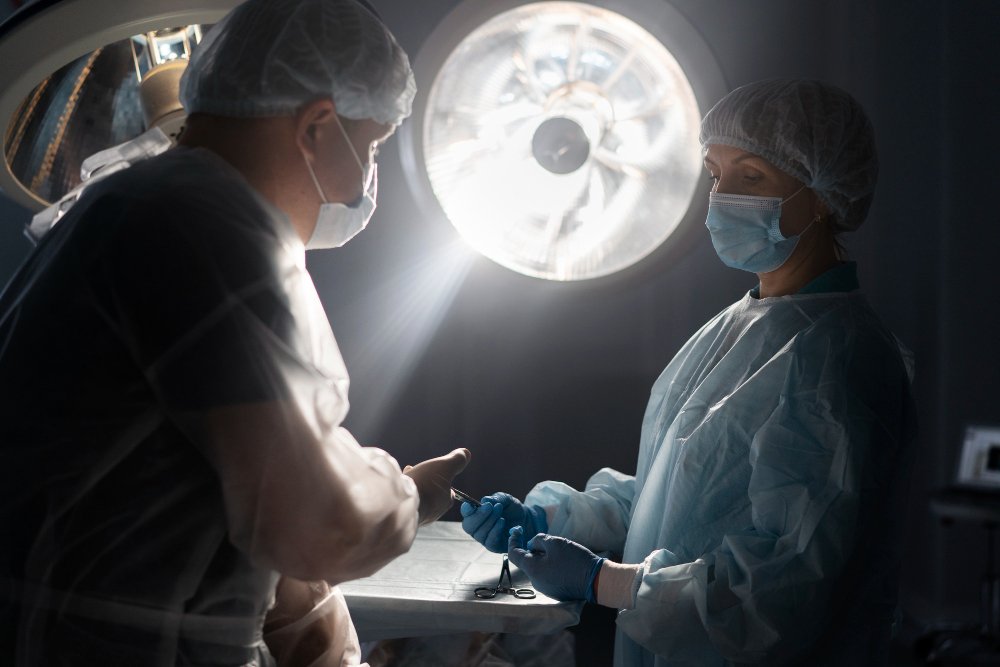
Oncoplastic reconstruction is a surgical approach that combines cancer removal with immediate reshaping of the remaining breast tissue, so the breast retains a natural form after tumour excision. Rather than treating oncology and aesthetics as separate concerns, oncoplastic surgery addresses both in a single operation. Techniques such as volume displacement (redistributing existing breast tissue) and volume replacement (adding tissue from elsewhere) are chosen based on tumour size, location, and the patient's body type. Oncoplastic breast reconstruction helps in enhancing the aesthetic appearance of the breast following breast cancer surgery.
What are Microvascular and Regional Flaps in Breast Reconstruction?
Microvascular and regional flap reconstruction rebuilds the breast using the patient's own tissue transferred from another part of the body. Regional flaps, such as the latissimus dorsi flap from the back, use nearby muscle and skin with their blood supply intact. Microvascular free flaps, including the DIEP (deep inferior epigastric perforator) flap from the abdomen, are completely detached and reattached to blood vessels in the chest using microsurgical techniques under magnification. These approaches produce natural, long-lasting results that move and age like real breast tissue. They are particularly suited to patients who prefer to avoid implants or require complex reconstruction after mastectomy.
Why Choose Dr. Satish Rao for Head and Neck Cancer Treatment
- 1. Expert in Head & Neck Cancer Care – Extensive experience in diagnosing and treating complex head and neck cancer cases with advanced medical expertise
- 2. Multidisciplinary Treatment Approach – He provides personalized treatment plans including surgery, radiation therapy, and chemotherapy coordination for better outcomes.
- 3. Focus on Early Detection & Precision Care – He uses advanced diagnostic techniques to ensure accurate staging and highly effective treatment planning.
- 4. Compassionate Patient-Centered Care – He is known for clear communication, supportive guidance, and dedicated follow-up care for every patient.
Together, We Can Fight Against Cancer
Start your journey towards recovery today. Contact us via phone or fill out our appointment form to schedule a consultation with Dr. Satish Rao.