Neck Nodes Evaluation & Treatment
Neck nodes, the lymph nodes of the cervical region, play a central role in the body's immune defence.
Overview
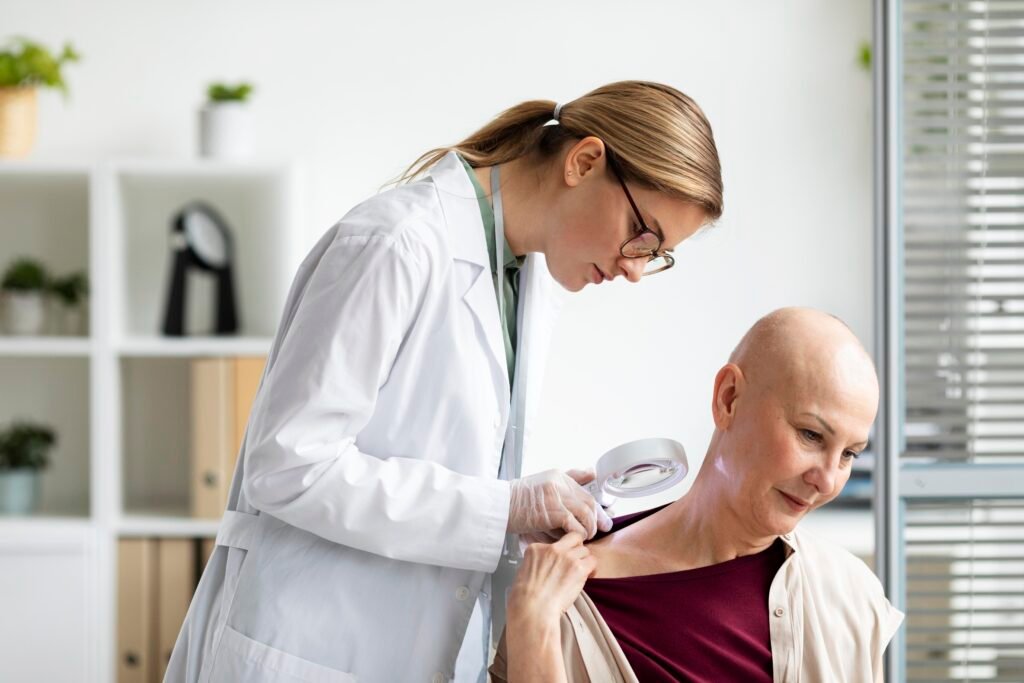
Neck nodes, the lymph nodes of the cervical region, play a central role in the body's immune defence. When they enlarge persistently, they can signal infection, inflammatory conditions, or malignancy. A neck lump lasting beyond two to three weeks, growing in size, or appearing hard and painless demands urgent specialist evaluation. Neck node involvement in head and neck cancers significantly influences staging and treatment. Early and accurate diagnosis determines whether management involves observation, biopsy, neck dissection, radiation, or systemic therapy, and directly shapes long-term outcomes.
What Are Neck Nodes?
The neck contains approximately 300 lymph nodes, more than any other region of the body, organised into six anatomical levels on each side. These nodes filter lymphatic fluid from the scalp, face, oral cavity, throat, thyroid, and salivary glands. They are the first site to which head and neck cancers typically spread. A neck node becomes clinically significant when it exceeds one centimetre in size, persists beyond three weeks, or displays features such as hardness, fixity to surrounding structures, or rapid growth.
What Are the Symptoms of Neck Node Disease?
Recognising early warning signs enables timely diagnosis and better outcomes. Not all enlarged neck nodes are painful. A painless lump is often the most concerning presentation.
Key symptoms include:
- 1. A lump or swelling in the neck lasting more than two to three weeks
- 2. Rapid increase in size of a neck mass
- 3. A hard, firm, or fixed neck node that does not move freely
- 4. Skin overlying the node becoming red, warm, or tethered
- 5. Associated mouth ulcer, throat pain, hoarseness, or difficulty swallowing
- 6. Unexplained weight loss, night sweats, or persistent fever
Any neck lump that does not resolve within three weeks warrants specialist evaluation, regardless of whether it is painful.
What Are the Causes and Risk Factors?
Understanding the causes of neck node enlargement guides appropriate investigation and treatment:
Head and Neck Cancer Spread
Oral, laryngeal, thyroid, parotid, and oropharyngeal cancers are the most common malignant causes of cervical node involvement in adults over 40.
Tuberculosis
TB remains a leading infectious cause of chronic cervical lymphadenopathy in India, particularly in immunocompromised individuals.
Lymphoma Risk Factors
Age, immune suppression, prior viral infections (Epstein-Barr virus), and family history increase susceptibility to lymphomatous neck node disease.
How Are Neck Nodes Diagnosed?
Accurate diagnosis requires a structured combination of clinical assessment, imaging, and tissue confirmation:
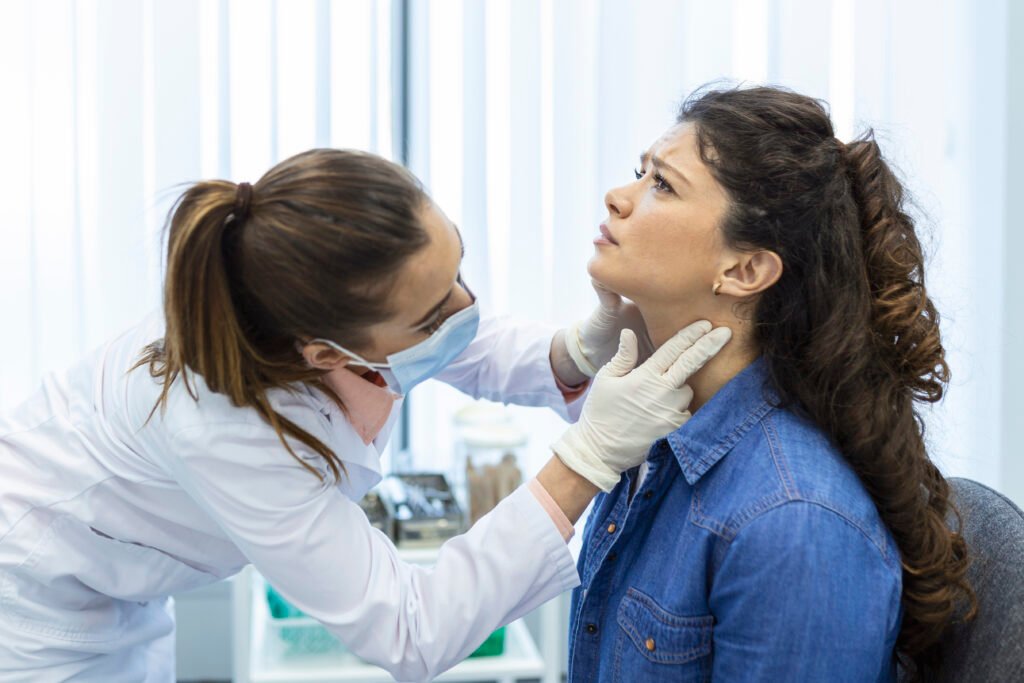
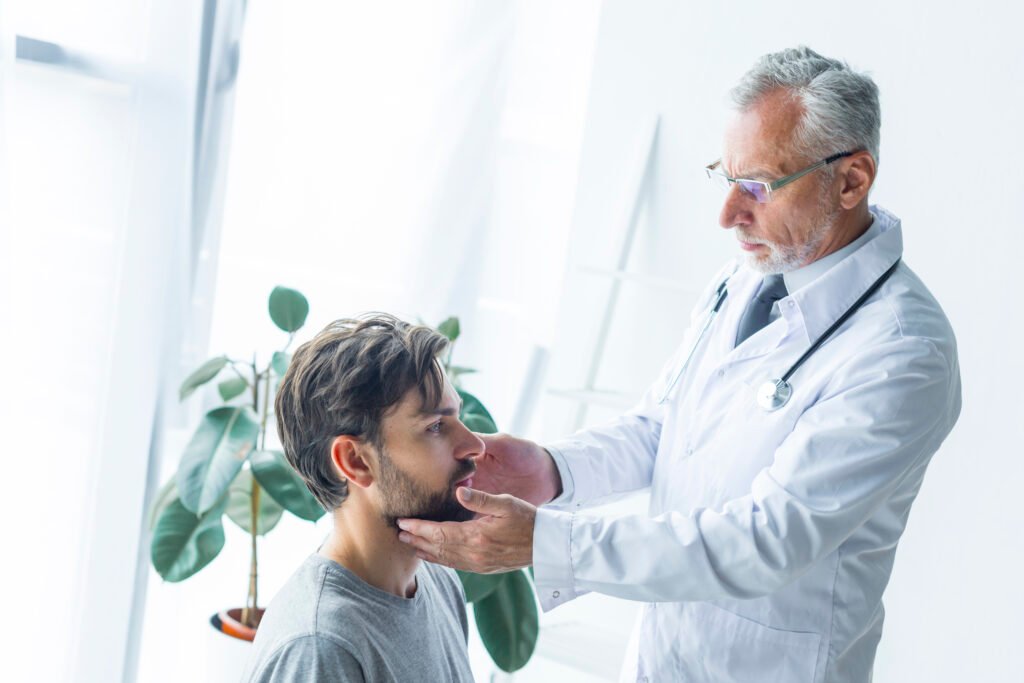
Clinical examination
Assessment of node size, consistency, mobility, tenderness, and associated head and neck findings including the oral cavity, throat, and skin
Ultrasound
First-line imaging, characterises node morphology, guides FNAC, and detects impalpable nodes
FNAC (Fine Needle Aspiration Cytology):
A minimally invasive needle sampling of the node; identifies malignant cells, reactive changes, or granulomas (TB) without open surgery
CT and MRI:
CT maps nodal levels and detects bone erosion; MRI defines soft tissue involvement and perineural spread
Frequently Asked Questions
Is every neck lump a sign of cancer?
No. The majority of neck lumps in younger patients are reactive, caused by infection or inflammation, and resolve within two to three weeks. However, any neck lump persisting beyond three weeks, particularly in adults over 40 with a tobacco or alcohol history, requires specialist evaluation to exclude malignancy.
What is FNAC and is it painful?
Fine Needle Aspiration Cytology uses a thin needle to sample cells from the neck node under local anaesthesia or without it. It is minimally uncomfortable, takes only a few minutes, and provides critical diagnostic information without the need for open surgery.
Can neck node cancer be cured?
Yes, particularly when nodal spread is detected early (N1 disease) and treated with surgery and radiation. Even N2 disease has meaningful cure rates with combined modality treatment at specialist centres.
Will neck dissection affect my shoulder movement?
Selective neck dissection, which preserves the accessory nerve, has minimal impact on shoulder function. Physiotherapy is routinely recommended post-operatively. Shoulder weakness is more likely after radical dissection but improves significantly with targeted rehabilitation.
How long does recovery take after neck dissection?
Wound healing takes two to three weeks. Shoulder physiotherapy should continue lifelong. Full functional recovery, including return to normal activity, is typically achieved within 2 to 3 weeks.

Outcomes and Survival Rates
Outcomes for neck node disease depend primarily on the underlying pathology. Reactive and tuberculous lymphadenopathy resolve fully with appropriate treatment. For metastatic neck nodes from head and neck cancers, N0 and N1 disease carries significantly better survival than N3 or extranodal extension-positive disease.
Neck dissection combined with post-operative radiation for high-risk nodal disease achieves regional control rates of 85–90% in experienced centres. Lymphoma, when treated with appropriate chemotherapy protocols, achieves remission in the majority of cases. Early detection of nodal spread before extranodal extension develops, is the single most impactful factor in improving regional control and survival.
Why Choose Dr. Satish Rao for Neck Nodes?
- 1. Expert Evaluation of Neck Nodes – Accurate diagnosis and assessment of swollen or abnormal neck lymph nodes using advanced clinical methods.
- 2. Advanced Diagnostic Approach – Utilizes imaging and biopsy techniques to identify the exact cause of neck node enlargement.
- 3 Personalized Treatment Planning – Offers tailored treatment options based on infection, inflammation, or cancer-related conditions.
- 4 Compassionate Patient Care – Focuses on clear communication, timely management, and supportive follow-up for every patient.
Together, We Can Fight Against Cancer
Start your journey towards recovery today. Contact us via phone or fill out our appointment form to schedule a consultation with Dr. Satish Rao.