Tongue Cancer Treatment
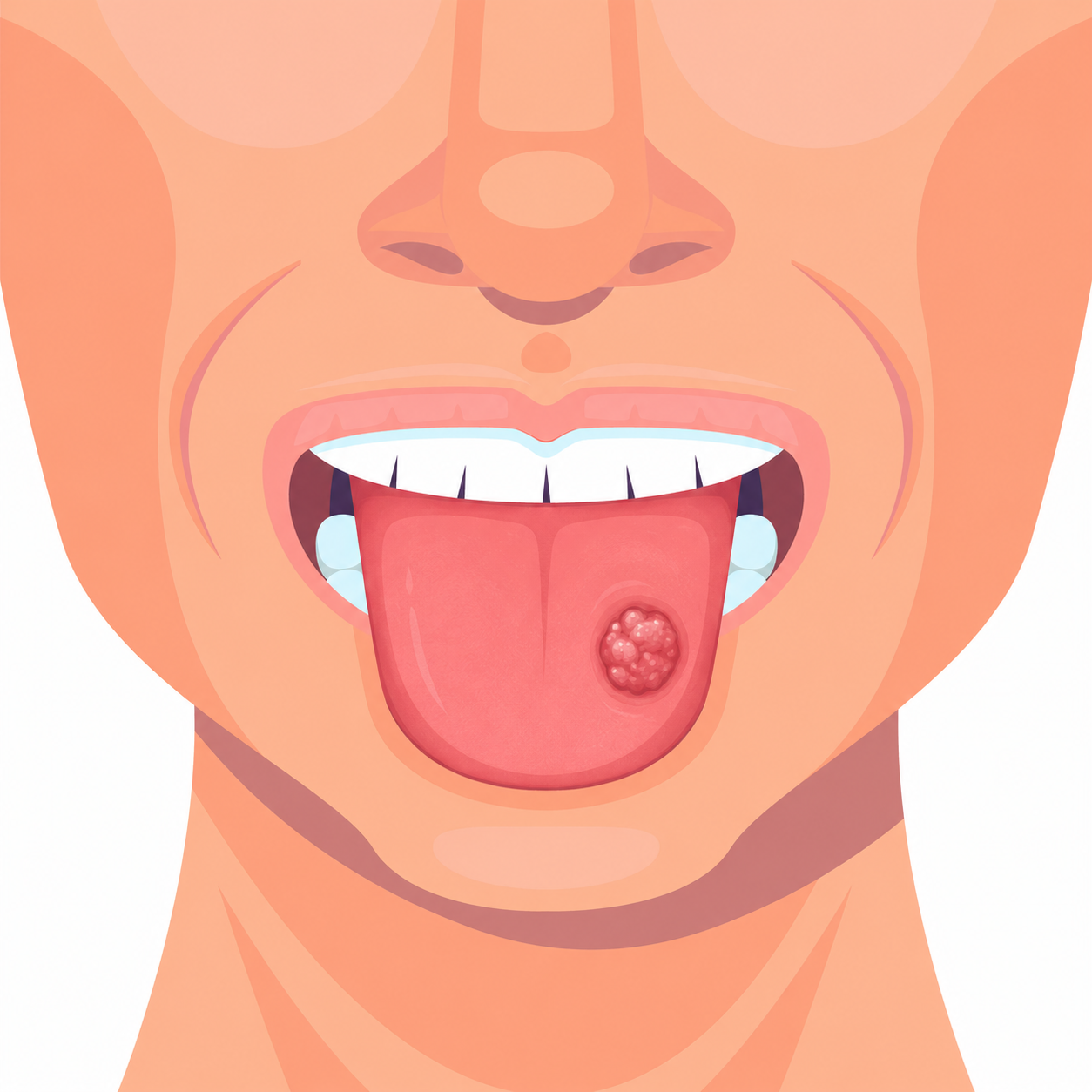
An early symptom of tongue cancer is a painless ulcer on the tongue, especially in a tobacco chewer or a smoker.
Overview
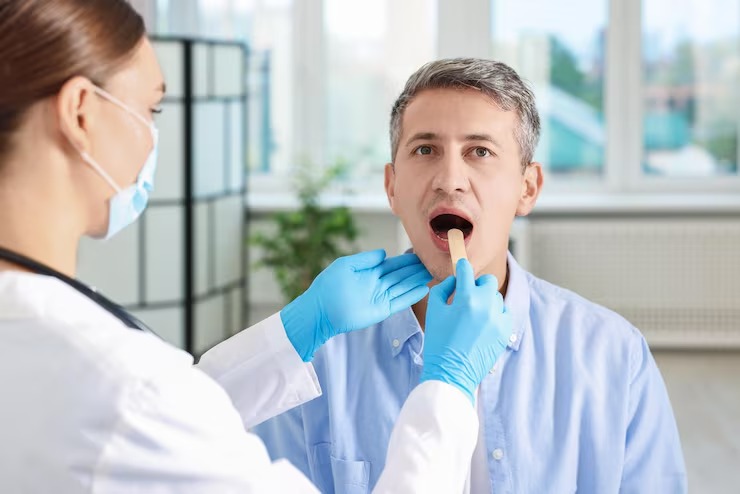
Tongue cancer is a malignancy that develops in the tissues of the tongue, an organ essential for speaking, chewing, swallowing, and tasting. It can arise in the front two-thirds (oral tongue) or at the base near the throat. Common signs include a persistent ulcer, a lump, or difficulty moving the tongue. Treatment depends on the cancer's location and stage, and may include surgery, radiation, chemotherapy, targeted therapy, or immunotherapy. Early detection significantly improves the treatment success rate, helps preserve vital functions, and enhances quality of life.
What Is Tongue Cancer?
Tongue cancer is a malignant growth originating in the squamous cells lining the tongue's surface. It may affect the visible oral tongue or the base of the tongue near the throat. Early- stage cases often appear as a non-healing, painless ulcer. That is why awareness matters; early diagnosis leads to less extensive surgery, better functional preservation, and meaningfully higher survival rates.

What Are the Early Signs of Tongue Cancer?
Recognising early signs is crucial for prompt diagnosis and better outcomes. Early-stage tongue cancer can be completely painless. Do not wait for discomfort before seeking evaluation.
- 1. A persistent sore or ulcer on the tongue that does not heal within two weeks
- 2. A lump, thickening, or rough patch on the tongue surface
- 3. Red or white patches that cannot be wiped off
- 4. Pain or burning sensation on the tongue, especially while eating
- 5. Difficulty swallowing, speaking, or moving the tongue freely
Any mouth lesion lasting beyond two weeks warrants specialist evaluation, regardless of whether it is painful.
What Are the Causes and Risk Factors?
The leading causes of tongue cancer include tobacco use, heavy alcohol consumption, and HPV infection. Understanding these helps target prevention and supports early detection.
Tobacco use
Smoking and smokeless tobacco (gutkha, pan masala, khaini) are the single largest risk factors, causing sustained carcinogenic damage to the tongue's mucosal lining.
Alcohol Consumption
Alcohol acts as a solvent, increasing carcinogen penetration into oral tissues. Combined with tobacco, it multiplies risk significantly.
HPV Infection
Human Papillomavirus, particularly HPV-16, is linked to a rising proportion of base-of-tongue cancers, often in younger, non-smoking patients.
Chronic Irritation and Poor Oral Hygiene
ll-fitting dentures, broken teeth cause tongue ulcer and chronic bacterial buildup on it creates low-grade inflammation that promotes abnormal cell growth over time.
How Is Tongue Cancer Diagnosed?
Diagnosis involves a structured combination of clinical assessment, tissue confirmation by biopsy and imaging studies . No single test is sufficient alone.
Clinical Examination
Assessment of tongue movement, surface lesions, floor of mouth, and neck lymph nodes
Biopsy
A small tissue sample confirms malignancy and tumour type, the definitive diagnostic step
Imaging Studies
CT, MRI, and PET-CT define tumour extent, depth of invasion, and lymph node or distant spread
Cancer Staging:
The AJCC TNM system guides all treatment decisions following confirmed diagnosis
Frequently Asked Questions
What does early tongue cancer look like?
It often appears as a non-healing, painless ulcer, a red or white patch, or a small lump on the tongue surface, frequently painless at first.
Is tongue cancer curable?
Yes, many early-stage tongue cancers are curable with surgery and appropriate adjuvant treatment. Early diagnosis is the single most important factor.
Is tobacco the only cause?
No. Apart from Tobacco and alcohol use, chronic irritation of the tongue due to sharp teeth and ill-fitting dentures, HPV infection, immunocompromised, and malnourished individuals.
How long does recovery take after tongue surgery?
Initial wound healing takes two to four weeks. Functional recovery depends on how motivated the patient is and how regularly he follows the speech and swallowing rehabilitation programme.
Can tongue cancer come back after treatment?
Recurrence is possible, particularly in the first two years. Regular follow-up imaging and clinical review allow early detection.

Outcomes and Survival Rates
Early-stage localised tongue cancer carries a five-year survival rate of approximately 75–80% with timely treatment and structured follow-up. Advanced-stage disease has lower survival outcomes, underscoring why early presentation matters. Advances in surgical techniques and microsurgical reconstruction, IMRT, and targeted therapy have significantly improved both survival and functional outcomes, helping more patients retain speech, swallowing, and quality of life after treatment.
Why Choose Dr. Satish Rao for Tongue Cancer Treatment?
- 1. Extensive experience in treating tongue cancer with advanced surgical methods.
- 2. Personalised treatment plans based on each patient’s condition.
- 3 Compassionate care with full support throughout treatment.
- 4 Comprehensive cancer care including surgery and follow-up management.
Together, We Can Fight Against Cancer
Start your journey towards recovery today. Contact us via phone or fill out our appointment form to schedule a consultation with Dr Satish Rao