Buccal Mucosa Cancer
Buccal Mucosa Cancer is a type of oral cancer that affects the inner lining of the cheek. Early symptoms may include mouth ulcers, swelling, pain, or difficulty chewing and swallowing. Timely diagnosis and expert treatment can improve recovery and overall outcomes.
Overview
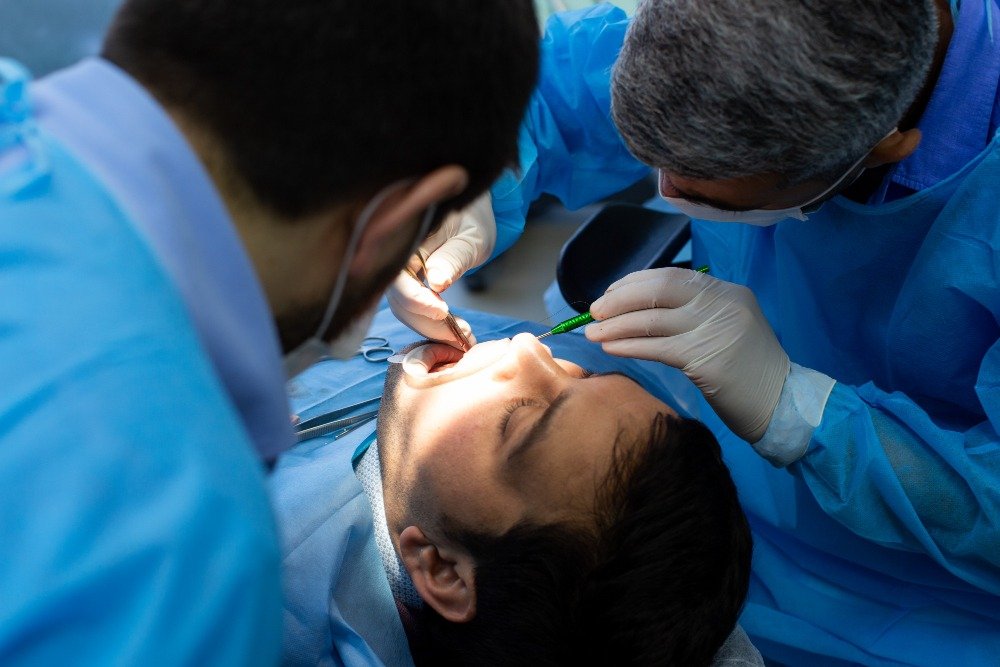
Buccal mucosa cancer is a malignant tumour arising in the soft tissue lining the inside of the cheek. It is one of the more common oral cancers in India, closely linked to tobacco, betel quid (paan), and areca nut (supari) use. A mouth Ulcer that does not heal within 7 to 10 days, a white or red patch, or a painless lump inside the cheek are the key warning signs. Early-stage buccal mucosa cancer has a 5-year survival rate of 80–90%. Treatment centres on surgery, often combined with radiation therapy, and is planned by a multidisciplinary team.
What Is Buccal Mucosa Cancer?
The buccal mucosa is the moist lining of the inner cheek, the tissue your tongue touches when you run it along the inside of your mouth. When cells here are exposed to repeated damage from tobacco or betel quid, they can begin to multiply abnormally. In nearly all cases, the resulting tumour is a squamous cell carcinoma. Left untreated, it can invade the cheek muscle, reach the jawbone, and spread to lymph nodes in the neck. That progression is exactly why timing matters.

What Are the Symptoms of Buccal Mucosa Cancer?
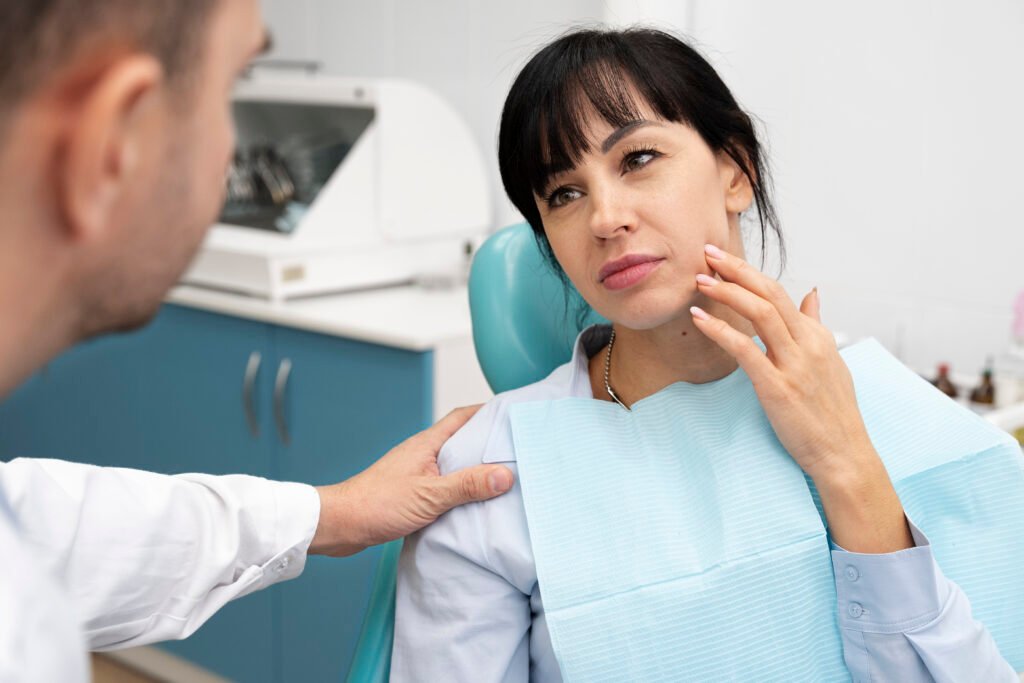
A painless ulcer or non-healing ulcer inside the cheek lasting more than 7-10 days is the most important early sign.
Watch for:
- 1. A persistent sore or ulcer on the inner cheek that does not heal in 7-10 days
- 2. A painless lesion or thickening in the cheek wall
- 3. White patches (leukoplakia) or red patches (erythroplakia) on the inner cheek
- 4. Difficulty opening the mouth fully (trismus)
- 5. Slight bleeding from the cheek lining without a clear cause
- 6. Swollen, painless nodes or lumps in the neck lasting more than 7-10 days
Any lesion inside the mouth that has not resolved within 7-10 days warrants specialist evaluation.
Do not wait for pain.
What Are the Causes and Risk Factors?
Over 80% of buccal mucosa cancers in South Asia are directly linked to tobacco and areca nut use, according to published epidemiological data. Key risk factors include:
Tobacco (smoked and smokeless)
Gutkha, khaini, and zarda held against the cheek cause sustained DNA damage to the mucosal lining.
Betel quid and areca nut
Arecoline in areca nut is independently carcinogenic and the primary driver of oral submucous fibrosis, a recognised precancerous condition.
Alcohol
Acts as a solvent that amplifies the carcinogenic effect of tobacco; the combination multiplies risk.
HPV infection:
High-risk strains HPV-16 and HPV-18 are an established contributory factor in some oral cavity cancers.
Chronic irritation and poor oral hygiene:
Sharp teeth, ill-fitting dentures, and untreated gum disease create a mucosal environment that facilitates abnormal cell growth.
Unhealthy Diet
A diet lacking essential vitamins and nutrients, especially fruits and vegetables, may contribute to a higher cancer risk.
How Is Buccal Mucosa Cancer Diagnosed?
Diagnosis requires clinical examination, imaging, and tissue confirmation. No single test is sufficient on its own.
Clinical examination
Visual inspection and palpation of the inner cheek, palate, floor of mouth, and neck lymph nodes
Biopsy
A small tissue sample taken under local anaesthesia, the definitive step to confirm malignancy and tumour type
CT and MRI
CT assesses bone involvement and lymph nodes; MRI defines soft-tissue depth and perineural spread
PET-CT
Detects distant metastases and guides staging
Frequently Asked Questions
Is buccal mucosa cancer curable?
Yes, particularly at Stage I and II, before lymph node spread. Surgery with clear margins at early stages offers survival rates of 80–90% at five years. Even in advanced stages, combined surgery, radiation, and systemic therapy offers meaningful chances of long-term control.
How long is recovery after surgery?
Wide local excision allows return to soft foods within 1–2 weeks and routine activity within 2–3 weeks. With extensive surgery and free flap reconstruction, recovery starts occurring within 2-3 weeks.
Can buccal mucosa cancer recur?
Recurrence is most likely in the first two to three years, which is why structured follow-up is essential. Any new sore, lump, or change in mouth opening after completing treatment should be reported to the treating team immediately.
Outcomes and Survival Rates
Stage I and II buccal mucosa cancers are treated surgically with clear margins and carry a 5-year survival rate of approximately 80–90%. Lymph node involvement reduces this figure significantly. The most powerful predictors of outcome are stage at diagnosis, surgical margin status, and nodal involvement. Tobacco and betel quid cessation after treatment is associated with meaningfully lower recurrence rates.
Why Choose Dr Satish Rao for Buccal Mucosa Cancer Treatment?
- 1. Experienced in diagnosing and treating complex head and neck cancers
- 2. Personalised treatment plans tailored to each patient’s condition
- 3 Advanced surgical and cancer care with a patient-focused approach
- 4 Compassionate support and guidance throughout the recovery journey
Together, We Can Fight Against Cancer
Start your journey towards recovery today. Contact us via phone or fill out our appointment form to schedule a consultation with Dr Satish Rao